

Equine Law Cases
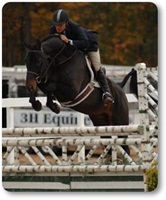
While you probably hired a successful equine attorney, an equine appraiser provides important keys to help unlock your equine law case, especially if it gets to litigation. Therefore, an equine appraiser should be knowledgeable about the breed of horse they are appraising and the horse’s discipline. As with any profession, there are various areas of focus. Consequently, many equine appraisers will often specialize in a specific breed or discipline. Some equine appraisers have diverse backgrounds and offer appraisals across multiple breeds and disciplines.
It is important to find an appraiser who is knowledgeable and specializes in your horse breed for your equine appraisal. For example, if you need your reining Quarter Horse stallion appraised for insurance purposes, you likely don’t want to hire an equine appraiser who specializes in hunter/jumper horses. Why is this so important? This can affect the final valuation of your horse if the appraiser has limited knowledge regarding reining and Quarter Horse bloodlines. Likewise, if you need an appraisal done for a Grand Prix dressage horse that is involved in equine litigation, you probably shouldn’t hire an equine appraiser who is only experienced with western pleasure horses.
|
|
Equine Litigation
If an appraisal is needed for litigation, it may be beneficial to choose an appraiser who is given the option to see the horse in person. A sight-unseen appraisal may cause problems if the other party’s appraiser can view the horse in person. There are certain types of appraisals for equine litigation scenarios that do not require the horse to be seen in person. For example, if both parties agree to hire the same appraiser jointly, then you can agree that the appraiser does not need to see the horse in person. As long as the appraiser is properly following the Uniform Standards of Professional Appraisal Practice (USPAP), an in-person inspection may not be required. In situations involving a stolen or deceased animal or if an appraisal is needed for a specific date in the past (retrospective appraisal), an in-person inspection may not be possible or necessary. In other instances, the appraiser may not have access to the horse. As a result, it is always best to discuss options with legal counsel.
Horse Appraisal Services
A competent equine appraiser will spend approximately ten hours appraising a single horse. The time required may vary depending on the information provided about the horse or whether the appraisal is needed for equine litigation. An equine appraiser’s job may include researching the horse's pedigree, conformation, movement, show record, training history, offspring, veterinary records, and more. Additional horse appraisal services include an appraisal review, which involves critiquing an appraisal report completed by another equine appraiser. A client may request an appraisal review if the equine appraisal is poorly executed or inaccurate, which can be a crucial factor in equine litigation.
Poorly written appraisal reports might include everything from spelling mistakes, grammatical errors, important information missing, or stated incorrectly. A misleading equine appraisal report may cause a gross over- or under-valuation of a horse’s value. Before hiring an equine appraiser to perform an appraisal review, ask how many appraisal reviews they have completed in the past. Additionally, determine their success rate in challenging a poorly executed appraisal.
To adequately write an equine appraisal report, the equine appraiser must understand the value of the horse. They must also be aware of the current equine market and the overall economic conditions. In some situations, the parties involved in a lawsuit are unable to negotiate or reach a settlement and must proceed to court. The equine appraiser must be able to testify in court. They will need to testify as an expert witness regarding the appraisal report they completed.
Before Hiring an Equine Appraisal Expert
Before choosing an equine appraiser for equine litigation, ask these questions first:
Equine Expert Witnesses
Since some equine appraisers deem themselves as legal experts, look at their past successes and qualifications when hiring. Ask yourself, what makes the individual the best equine expert witness for your horse lawsuit or arbitration? Additionally, some may offer consulting services. Horse expert witnesses may specialize in topics that include:
Your equine expert witness must communicate effortlessly. Depending on the topic, some equine experts may deal with complex issues. Even so, it is necessary that they answer questions for your attorney and even the judge in a way that the information is easy to understand. This is part of their job as an equine expert witness in the courtroom. Therefore, the equine appraiser must be professional and possess excellent verbal and teaching skills for the courtroom. Additionally, it is important that the appraisal report is easy to understand while remaining professional.